Understanding what to expect when visiting a pawn store can help you make informed decisions, whether you’re looking to sell, buy, or pawn an item. Knowledge is key in navigating the complexities of pawn shop transactions, enabling you to maximize value and minimize risk. When equipped with the right information, a visit to a pawn shop can be both financially beneficial and educational.
What Items Can I Pawn?
Determining Item Value
When you’re looking to pawn an item, it’s critical to understand how its value is determined. Pawn shops typically assess value based on factors like condition, market demand, and rarity. An item in pristine condition with high demand will fetch a higher value compared to one that’s more common or worn. For example, gold and diamond jewelry often hold their value due to the intrinsic worth of the materials. Understanding the appraisal process can give you a realistic expectation of what your items might be worth.
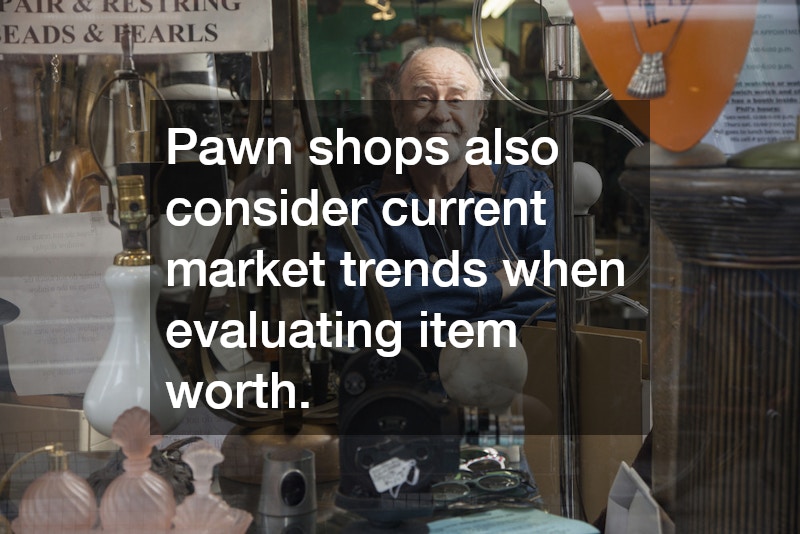
Pawn shops also consider current market trends when evaluating item worth. Changes in consumer demand or the introduction of newer models can affect the value of electronics and technological gadgets. This implies that timing your visit in alignment with market trends could enhance the potential worth of your offering. The pawn broker will often be knowledgeable about these trends and can provide insights into which items are currently sought after.
The condition of your item is another significant factor. Items should be clean and functioning, as wear and tear can substantially decrease their value. Bringing original certificates or receipts can also elevate an item’s perceived value. For instance, watches that come with authentication papers tend to achieve better appraisals. Proper preparation before visiting a pawn store can make a considerable difference in the value you derive from your pawning experience.
Popular Pawn Items
There are certain items that pawn shops regularly deal with, given their high demand and ease of resale. Jewelry, electronics, and musical instruments are perennial favorites, partly due to their widespread appeal and value retention. In addition, collectibles such as rare coins or vintage memorabilia can command significant interest if they possess historical or sentimental value. The popularity of an item in the broader market can directly influence its appeal in a pawn shop.
Guns and firearms are another category frequently pawned due to their high value, although transactions are strictly regulated. Stores dealing in firearms typically adhere to stringent federal and state laws, ensuring all items are legally sound. Power tools and equipment occupy a particular niche in the pawn industry, appealing to do-it-yourselfers and tradespeople. This highlights the extensive range of items that are in demand, illustrating that pawn shops cater to a wide audience.
Pawn shops provide a unique service by offering immediate loans against items that are valuable yet commonly found in households. This accessibility allows individuals from various walks of life to access pawn services quickly and conveniently. The versatility of items that pawn shops accept underscores their role in micro-financing and consumer goods recycling. By recognizing these popular categories, you can better determine what items to bring during your next pawn shop visit.
Prohibited Items
While pawn shops have a broad spectrum of items they accept, certain items are typically prohibited. Illegal items, such as stolen goods or counterfeit merchandise, are strictly off-limits. Pawn shops are bound by law to verify the legality of the items they deal with; hence, they require documentation and proof of ownership. This ensures that the transactions are legitimate and can be confidently conducted by both parties involved. Adhering to strict policies, they maintain a law-abiding business operation.
How Do Pawn Loans Work?
Terms and Conditions
Pawn loans offer borrowers a unique opportunity to secure short-term loans using personal belongings as collateral. One of the significant aspects of pawn loans is their simplicity; they don’t require credit checks, making them accessible to many who might face barriers elsewhere. Typically, pawn loans have shorter repayment periods, such as 30 to 90 days, although terms can vary from one pawn shop to another. As collateral-backed loans, they inherently carry lower risks of default, attracting even those with low credit scores.
Interest rates on pawn loans can be higher than traditional loans, reflecting the risk and short-term nature of the transaction. It’s crucial to inquire about all terms and look out for hidden fees that may affect the total repayment amount. Besides interest, pawn shops might charge extra for storage or insurance of the item pledged as collateral. Understanding these dynamics enables borrowers to make well-informed financial decisions, as opposed to hasty choices with unforeseen repercussions.
The flexibility of pawn loans makes them increasingly viable, especially for urgent and unforeseen expenses. However, borrowers must approach such loans with an awareness that failing to repay could lead to the permanent loss of their item. It’s also important to understand the fine print of the agreement fully, ensuring clarity about repayment dates and any associated liabilities. Knowledge of these factors helps in managing game plan strategies when securing these kinds of loans.
As the pawn industry continues to adapt to changing times and markets, engaging confidently with this sector expands your financial and purchasing freedom. This diligence fosters interaction that is not only financially beneficial but also educational and rewarding on a personal level. Equipped with the insights discussed, you can approach your local pawn store with assurance, ready to make informed and profitable decisions.